How to Build a Vinyl Starter Collection on a Tight Budget
Starting a vinyl collection doesn't require deep pockets. Here's how to spend wisely, avoid common traps, and find records worth keeping.
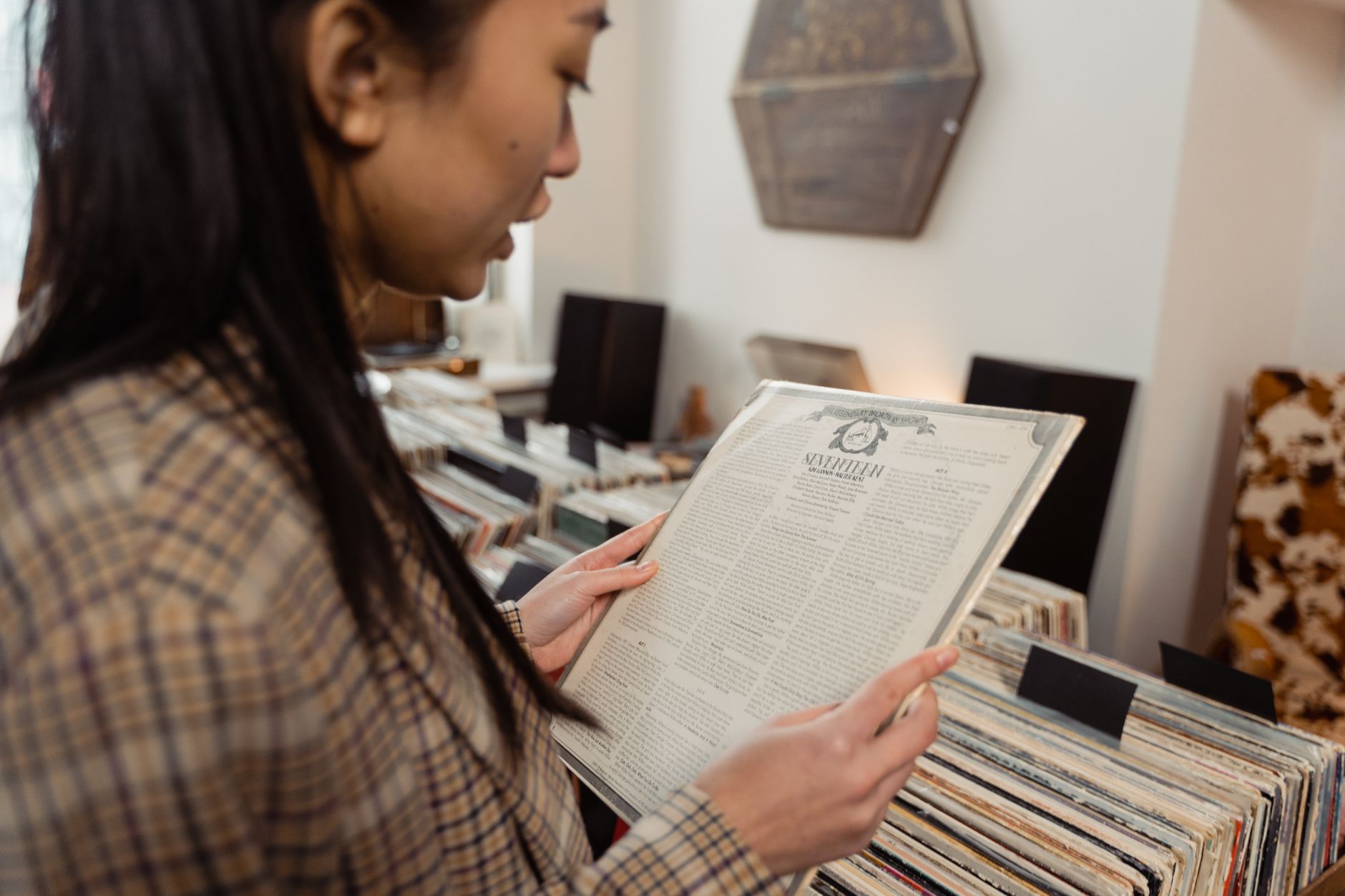
Start With What You Actually Like
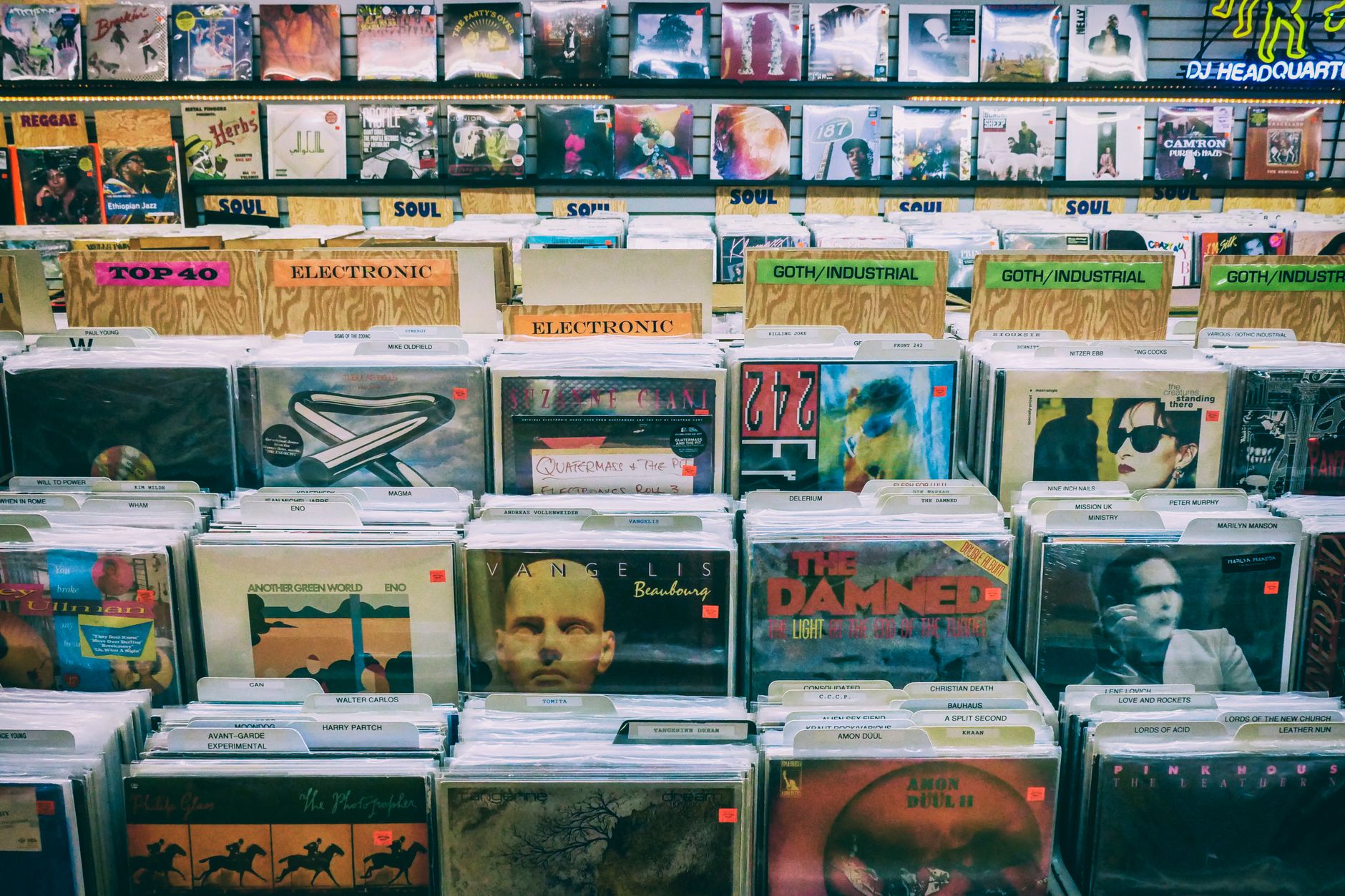
The single biggest mistake new collectors make is buying records because they seem important rather than because they want to hear them. A $4 copy of an album you love beats a $30 prestige purchase that sits unplayed on a shelf. Your first ten records should reflect your actual taste, not a checklist of critical darlings.
This matters especially on a budget. Every dollar spent on something you’re lukewarm about is a dollar unavailable for something you’ll genuinely use. Figure out which genres and eras pull you in before you start spending, and let that narrow your search.
Used Over New, Almost Always
New vinyl is expensive. A standard new release from a major label typically runs between $30 and $40 in most markets, and limited color or picture disc variants push that higher. For someone just starting out, buying new is a fast way to blow a budget before the collection has any real shape.
Used records are where the value lives. Thrift stores, estate sales, flea markets, and dedicated used record shops regularly carry pressings in playable or better condition for a fraction of new prices. A used original pressing of a classic album often sounds better than a modern reissue anyway, depending on the mastering source.
When buying used, learn the basic grading scale: VG+ (Very Good Plus) is the standard you want to aim for. Records graded VG (Very Good) are usually playable with some surface noise. Anything below that is a gamble unless the price is nearly nothing. Always pull the record from the sleeve and check it under a light before buying if the shop allows it.
Understand What You’re Actually Paying For
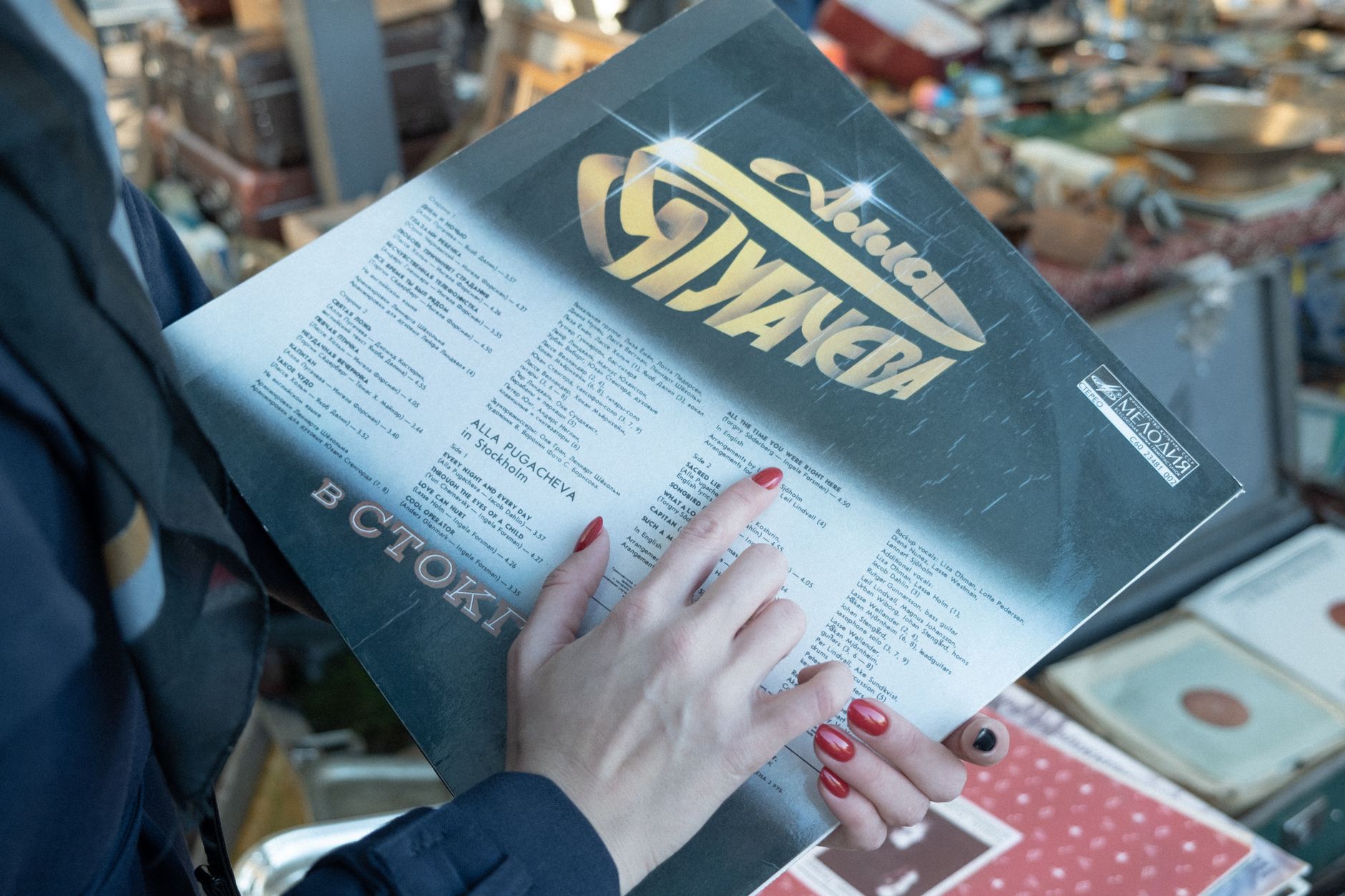
The vinyl market has tiers, and recognizing them saves money. On one end are common pressings of popular albums - things that sold millions of copies and show up everywhere. On the other end are genuinely rare originals, limited runs, and regional pressings that command serious prices for documented reasons.
In the middle sits a large category of reissues, colored vinyl variants, and picture discs that are priced as collectibles but are not rare in any meaningful sense. Labels regularly produce these to generate renewed interest in back-catalog titles. They can be worthwhile if you like the album and want a nice physical copy, but they carry a premium that isn’t justified by scarcity. A new picture disc of a 2006 hip-hop album, for example, is a nice presentation piece but will be widely available - it is not an investment, and treating it as one is a mistake.
For budget collectors, the practical takeaway is simple: pay collectible prices only for things that are actually collectible. For everything else, shop used.
Where to Shop Without Getting Burned
Record Store Day releases and Record Store Day drops create real excitement but also inflated prices in the secondary market. Waiting a few months after any hyped release usually brings prices down significantly if you miss the initial window.
Discogs is the most useful online marketplace for used vinyl, with seller ratings, pressing details, and condition grading. It lets you compare prices across many sellers for the same pressing, which is valuable when you’re learning what things should actually cost. Be aware that shipping adds up quickly on Discogs - consolidating purchases from a single seller when possible saves money.
Local record shops vary enormously. Some price aggressively based on current Discogs values; others price based on older guides and offer real deals. Getting to know a shop’s habits pays off. A store that underprices soul and funk records might overprice classic rock, so learn your local options before assuming any one shop is your best source for everything.
Estate sales and charity shops remain the best source for genuinely cheap records, though the selection is unpredictable. Patience is part of the deal.
Build Slowly and Prioritize Quality Over Quantity
A collection of 30 records you love and actually play is more useful than 200 records accumulated quickly with no real filter. Early on, resist the urge to buy in bulk just because prices are low. Bulk crate finds at a dollar each sound appealing until you’re hauling home 40 records and realizing you want to hear maybe five of them.
A starter collection built carefully over six months will teach you more about your own taste and about the market than the same money spent in a weekend buying rush. Each purchase should clear a basic bar: do you want to hear this record regularly, and is the condition good enough to play without damaging your stylus?
Protect What You Buy
Sleeves and basic care are not optional extras. Paper inner sleeves generate static and cause fine scratches over time. Replacing them with polyethylene or polypropylene inner sleeves is cheap and extends the life of your records. Outer plastic sleeves protect album artwork from ring wear and shelf damage.
A basic carbon fiber brush to clean records before playing costs very little and removes the dust and debris that cause unnecessary wear on both the record and your stylus. You do not need an expensive record cleaning machine when you’re starting out, but you do need to clean records before playing them, particularly any used purchases.
Set a Monthly Limit and Stick to It
Vinyl collecting has a well-documented tendency to accelerate faster than budgets allow. Setting a firm monthly spending cap - whatever makes sense for your finances - and treating it as a hard limit prevents the collection from becoming a source of financial stress. Many experienced collectors recommend keeping a simple list of records you’re actively looking for rather than buying whatever looks good in the moment. It keeps spending purposeful and stops impulse purchases from crowding out things you actually want.
The goal in the early stages is not to own a lot of records. It’s to own records you know well, care about, and want to keep. That foundation, built slowly and on a budget, is what most serious collections grew from.