
Dub in 6 Albums: King Tubby, Lee Perry and the Mixing Desk as an Instrument
Six records from Kingston and London that show what happens when the engineer takes over the song

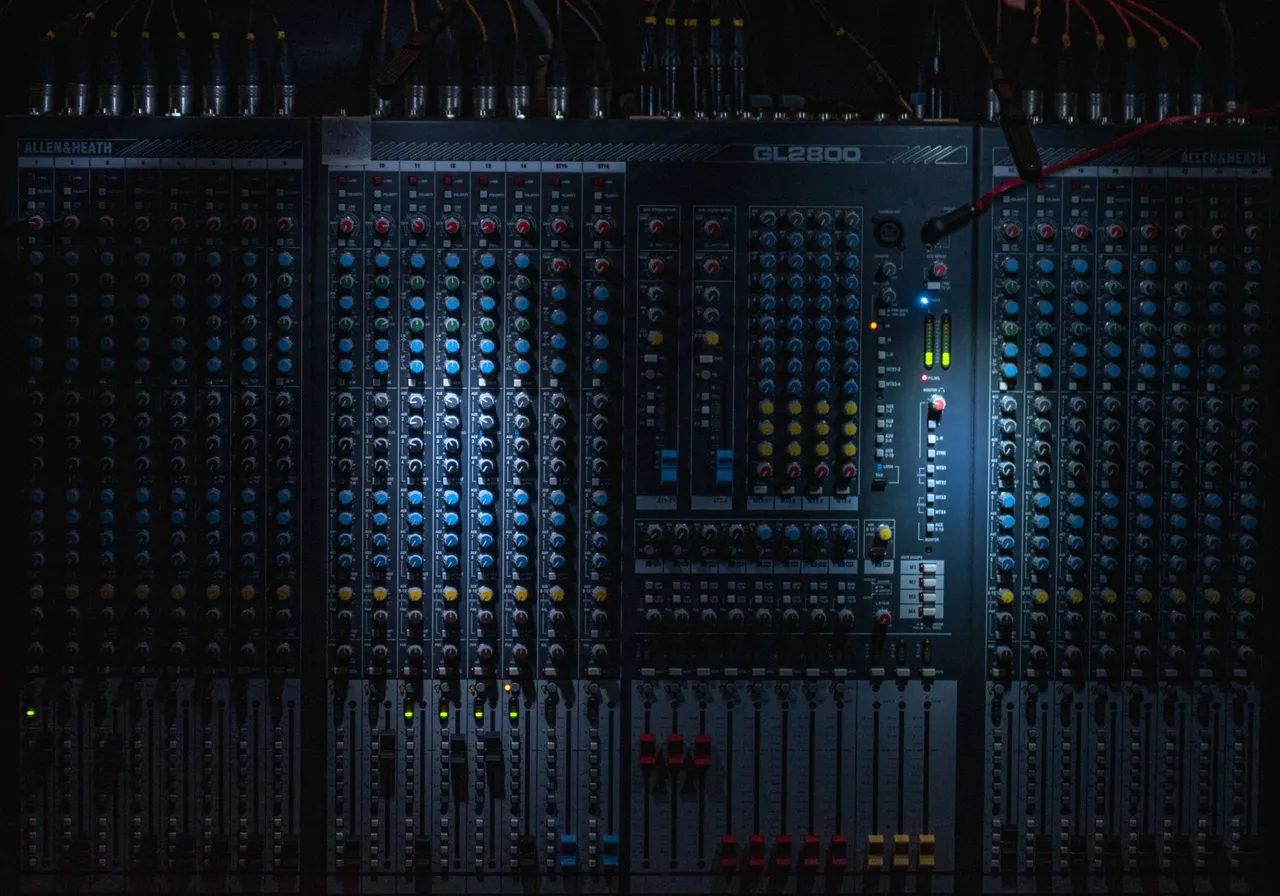
Illustration: a record, as a placeholder for the cover photo.
Dub is reggae with the song removed and the room left in. The vocal appears for a line and vanishes. The rhythm guitar drops out mid-bar. A snare hit trails off into echo for four seconds. What stays constant is the drum and bass, pushed forward until they carry the whole track. The engineer, not the singer, is the lead performer, and the mixing desk is the instrument.
Where It Came From
Dub grew out of the Jamaican sound system economy of the late 1960s. Producers pressed instrumental "versions" on the B-sides of singles so that sound system DJs could talk over the rhythm. The usual origin story credits engineer Ruddy Redwood, who reportedly played a Treasure Isle acetate with the vocal accidentally missing and saw the crowd react. Within a few years, B-side versions were being actively remixed rather than simply stripped.
The key figure is Osbourne Ruddock, known as King Tubby. He was an electronics repairman who ran a sound system and a small studio at 18 Dromilly Avenue in Waterhouse, Kingston. He bought a four-track MCI console from Byron Lee's Dynamic Sounds and modified it, including a high-pass filter that let him sweep the low end out of a track and drop it back in. Producers like Bunny Lee brought him multitrack tapes, and Tubby voiced them into something new.
Lee "Scratch" Perry built his Black Ark studio behind his house in Washington Gardens in 1973 and took a different route. He worked with a small four-track setup, a Roland Space Echo and a Mu-Tron phaser, and he bounced tracks down so many times that the sound became thick, hissy and swampy. That density is the Black Ark signature.
The first dub LPs appeared in 1973: Herman Chin Loy's Aquarius Dub and Perry's Blackboard Jungle Dub are usually named. The genre peaked from 1974 to 1981. Key labels include Perry's Upsetter, Clocktower in New York, Island and Trojan in the UK, Joe Gibbs Music, and later Greensleeves, which kept Scientist's records in print through the early 1980s.
Six Albums to Start With
| Artist | Album | Year | Label | Why start here |
|---|---|---|---|---|
| Augustus Pablo & King Tubby | King Tubbys Meets Rockers Uptown | 1976 | Clocktower | Pablo's melodica and Tubby's filter work. It is the clearest single demonstration of the form. |
| Lee Perry & The Upsetters | Super Ape | 1976 | Island | The Black Ark sound at full density. It is hazy and percussive, with vocal fragments drifting through. |
| Keith Hudson | Pick a Dub | 1974 | Atra | An early, sparse, bass-heavy record that shows the stripped-back approach before the effects took over. |
| Joe Gibbs & The Professionals | African Dub All-Mighty Chapter 3 | 1978 | Joe Gibbs Music | Errol Thompson's mixes over Sly Dunbar and Robbie Shakespeare. It is aggressive and full of sound effects. |
| Scientist | Scientist Rids the World of the Evil Curse of the Vampires | 1981 | Greensleeves | Tubby's protégé mixing Roots Radics rhythms. The low end is tighter and drier, pointing toward dancehall. |
| Mad Professor | Dub Me Crazy | 1982 | Ariwa | London dub from a South London studio. It is cleaner and more electronic, and it shows where UK dub went next. |
Start with King Tubbys Meets Rockers Uptown. The title track is a dub of Jacob Miller's "Baby I Love You So", and it shows the whole method in under four minutes. Move to Super Ape next to hear how differently two engineers could treat the same raw material.
What Separates Dub From Its Neighbours
Roots reggae uses the same rhythms and often the same session players: the Aggrovators, the Revolutionaries, Sly & Robbie. But roots reggae is a song with a singer and a message. Dub takes the multitrack of that song and treats it as raw material. Many dub albums are direct remixes of known roots singles. Learning the originals makes the dubs sharper, because you hear what has been taken away.
Plain instrumental versions are not dub. A 1970 B-side that simply mutes the vocal track has no shaping. Dub requires active intervention: mutes, drops, filter sweeps, reverb throws and echo feedback, all performed live on the desk.
Deejay records by U-Roy, Big Youth and I-Roy run on the same B-side versions. They add a toaster's voice on top rather than subtracting from the mix.
UK dub and its descendants, from Mad Professor and Adrian Sherwood's On-U Sound to 1990s digital dub, keep the techniques but move away from Jamaican session bands. Sherwood's work in particular brings in post-punk and industrial textures. Dubstep borrows the name and the bass weight. Musically it is a separate lineage.
On original Jamaican pressings, check the run-out groove before buying. Many 1970s dub LPs were pressed on recycled vinyl with audible surface noise. That noise matters less on dub than on most genres, because the music is mixed for sound system bass, not quiet detail. For Super Ape and King Tubbys Meets Rockers Uptown, the Island and Clocktower reissues are often the more practical buy. A worn first press will cost several times more and won't sound better.
Listening for the Mix
Listen to dub on speakers that can reproduce bass below 60 Hz, or on decent closed-back headphones. On small laptop speakers the bass is lost, and most of what the engineer is doing goes with it. Follow one element at a time: the hi-hat, then the bass, then the rhythm guitar chop. Note where each one drops out and comes back. Those decisions were made by hand, often in a single pass, and they are the composition.

Eleanor Vance
Classical & Traditional Pop Curator
Eleanor holds a degree in musicology and specializes in mid-century vocal pop, big band swing, and early orchestral recordings on vinyl. She translates complex music theory into enjoyable reading, guiding collectors through early masterings, mono versus stereo pressings, and classic conductor discographies.


Comments (0)
No comments yet. Be the first to share your experience.