
Judge a Vinyl Reissue in 7 Checks: Source Tapes, Mastering Engineers, Pressing Plants and Price
What to read on the sticker, the credits and the run-out before paying £30 for a new pressing

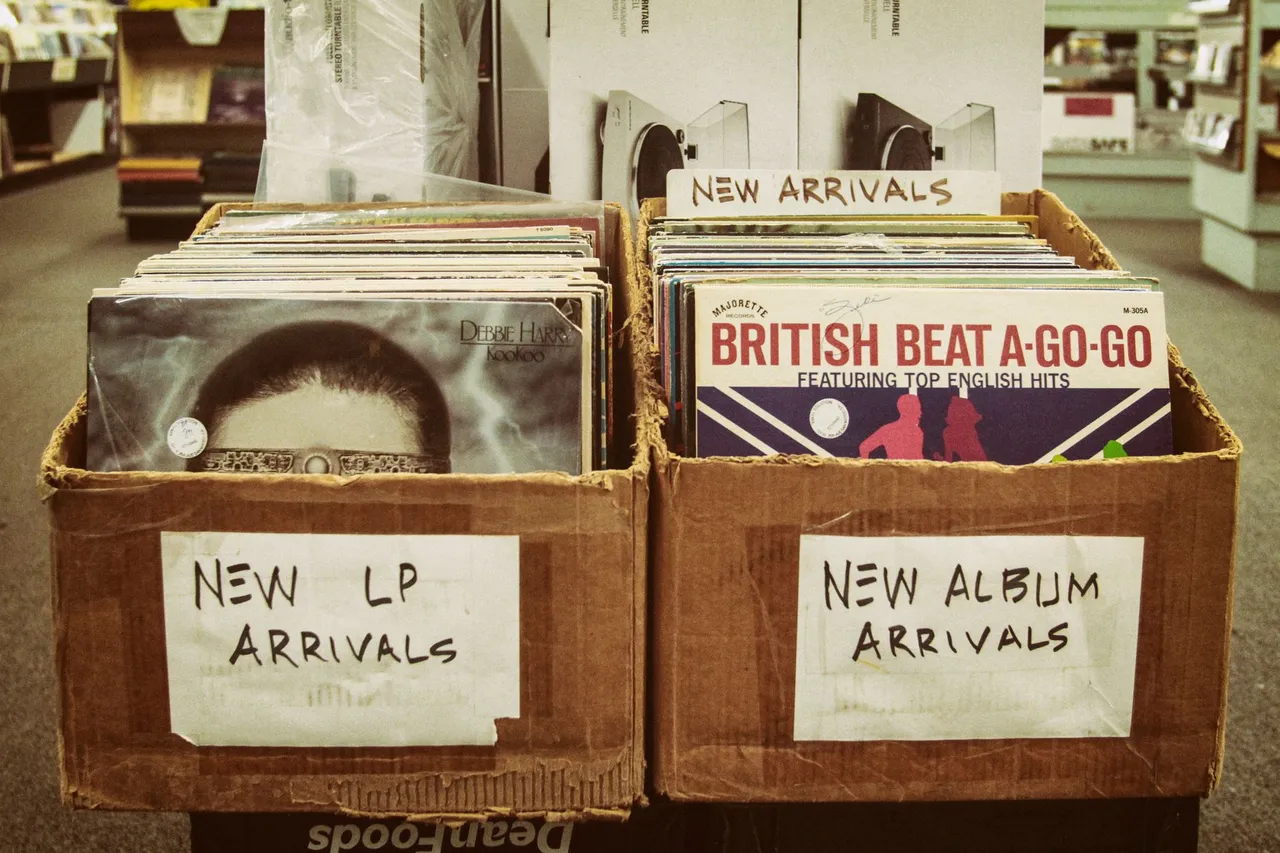
Illustration: a record, as a placeholder for the cover photo.
A new pressing can cost £25–£45 and sound worse than a £12 used original. It can also be the best-sounding copy the album has ever had. The difference rarely shows in the shrink-wrap. It shows in a handful of details you can check in the shop or on your phone.
The 7 Checks
-
Find out what it was cut from. The key question is whether the lacquer was cut from the original analogue tapes or from a digital file. Labels that use tapes say so. You will see "All-Analog", "AAA" or "Cut from the original master tapes" on the hype sticker or back cover. Silence usually means digital. That is not automatically bad, but it should cost less. The Beatles show the gap clearly. The 2012 stereo vinyl box was cut from 24-bit/192kHz digital remasters. The 2014 mono box was cut from the analogue tapes by Sean Magee and Steve Berkowitz. Many listeners hear the difference.
-
Identify the mastering engineer. Check the credits on the back cover or the Discogs release page, then confirm in the run-out groove. Kevin Gray etches "KG". Bernie Grundman etches "BG". Ryan K. Smith at Sterling Sound etches "RKS". A named, respected cutter is the strongest single sign that someone cared. No credit and no initials is a warning.
-
Find the pressing plant. Good mastering can be ruined by noisy, off-centre pressing. Plants with consistent reputations include RTI (California), QRP (Kansas), Pallas (Germany) and Optimal (Germany). GZ Media in the Czech Republic presses a huge share of the market and its quality varies by job. Discogs release pages usually list the plant under "Companies".
-
Ignore the weight. "180g" is marketing. A heavier disc is not flatter, quieter or better mastered by default. A well-pressed 140g record beats a dished 180g one every time. The same goes for coloured vinyl. Some pressings in coloured compounds measure noisier than black, and splatter and marble effects are the worst offenders.
-
Check who licensed it. Some European labels release pre-1963 recordings whose copyright has lapsed in the EU. Examples include DOL, Waxtime and Doxy. They rarely have tape access, and many are cut from CDs or earlier vinyl. They are cheap and look convincing, but they are not official. The official equivalents carry the original label's name, such as Blue Note, Verve, Impulse!, Atlantic or Columbia, or credit an authorised licensee.
-
Compare against used originals. Look up the original pressing's median sale price on Discogs before buying new. Big-selling 1970s titles are often cheaper used than new. Clean original UK and US copies of Rumours, Hotel California and Tapestry regularly sell for £10–£20. Reissues make most sense for records whose originals are rare, expensive or usually found worn, such as 1950s–60s jazz, private-press folk and non-Western releases.
-
Read pressing-specific reviews. Search the album title plus the series or label name on the Steve Hoffman Music Forums, and read the comments on the exact Discogs release. Owners report warps, surface noise, off-centre pressings and bad batches within weeks of release. A series can be excellent overall and still have a dud title.
Reissue Series With a Track Record
| Series | Label | Source | Mastering | Pressing |
|---|---|---|---|---|
| Tone Poet | Blue Note | Original analogue tapes | Kevin Gray | RTI |
| Classic Vinyl Series | Blue Note | Original analogue tapes | Kevin Gray | Optimal |
| Acoustic Sounds Series | Verve / Impulse! | Original analogue tapes | Kevin Gray, Ryan K. Smith | QRP |
| Analogue Productions | Various (licensed) | Mostly analogue tapes | Kevin Gray, Bernie Grundman | QRP |
A reputation does not guarantee transparency. In 2022 it emerged that Mobile Fidelity Sound Lab had used a DSD digital step in many of its releases since around 2011, despite marketing that suggested an all-analogue chain. The pressings did not suddenly sound worse. But collectors who had paid for an analogue chain did not get one, and second-hand prices for affected titles dropped. Treat any label's claims as something to confirm in interviews and forum threads, not something to assume.
When a hype sticker lists the weight, the vinyl colour and the "deluxe gatefold" but says nothing about the source or the cutting engineer, assume a digital source and an anonymous cut. Labels that work from the tapes almost always say so, because it is their main selling point.

Arthur Pendelton
Lead Vintage Audio & Hi-Fi Reviewer
Arthur has spent over three decades hunting down rare original pressings and restoring classic turntable setups. A former sound engineer from London, he specializes in deep dives into jazz pressings, analog equipment maintenance, and the art of speaker placement. When he isn't writing, Arthur can usually be found at local record fairs digging through bargain bins.


Comments (0)
No comments yet. Be the first to share your experience.