
Lagos Afrobeat in 10 Albums: Fela, Tony Allen and Africa 70, 1972–1979
Start with the grooves that hit hardest, end with the records that cost Fela his home.

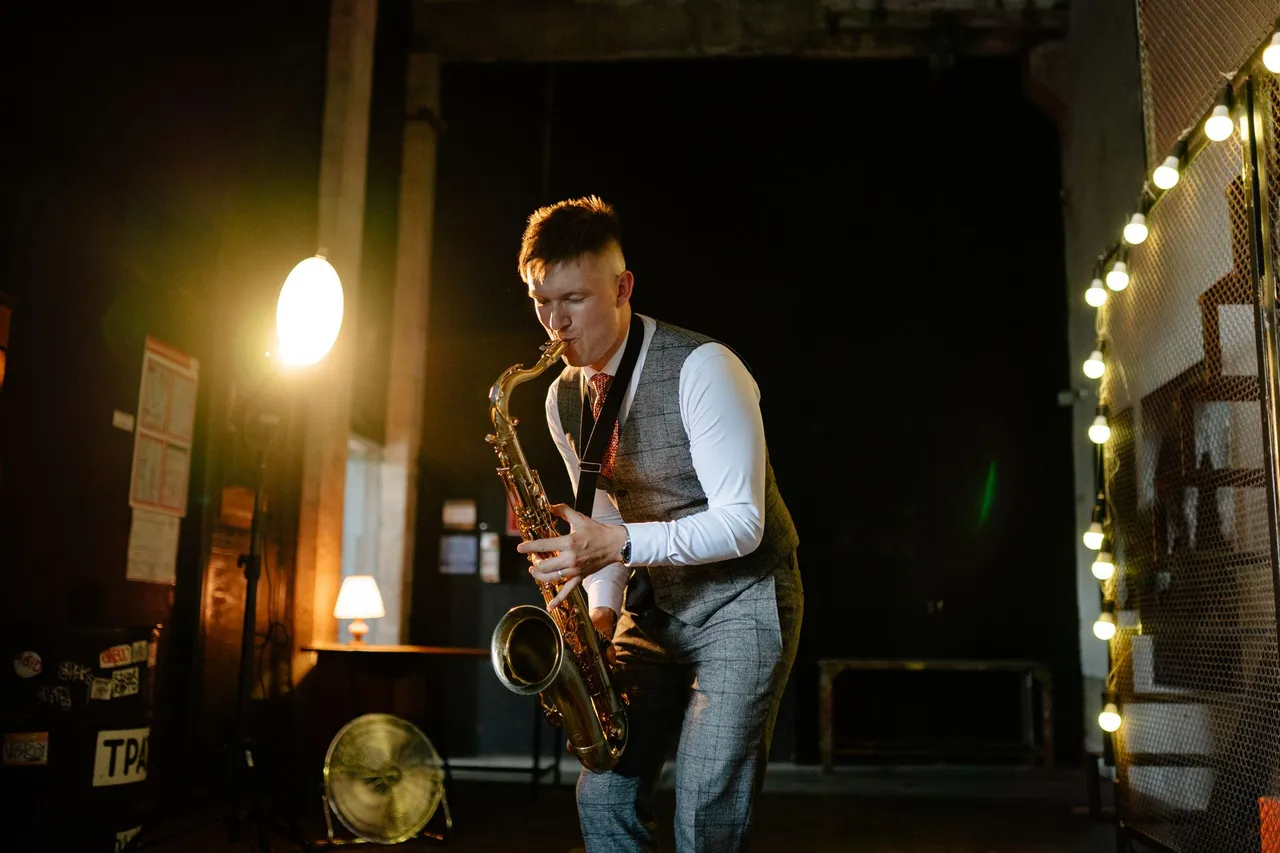
Illustration: a record, as a placeholder for the cover photo.
Afrobeat as Fela Kuti built it in Lagos was a long-form music. Most pieces run 12 to 25 minutes, and they fill whole LP sides. They open with an instrumental section that can last ten minutes before anyone sings. Tony Allen's drumming runs underneath all of it, and Brian Eno once called him possibly the greatest drummer who ever lived. Two or three interlocking guitars and a baritone-heavy horn section sit on top of the drums.
The order below starts with the records where the hooks come quickest. It then moves into the slower-building early-'70s albums and Tony Allen's own work under his name. It ends with the late-decade records, made after the Nigerian army destroyed Fela's Kalakuta Republic compound in February 1977.
| # | Album | Artist | Year | Listen for |
|---|---|---|---|---|
| 1 | Zombie | Fela Anikulapo Kuti & Africa 70 | 1976 | The marching horn riff mocking soldiers who follow orders without thinking |
| 2 | Expensive Shit | Fela Ransome-Kuti & Africa 70 | 1975 | "Water No Get Enemy" on side two, the warmest groove in the catalogue |
| 3 | Gentleman | Fela Ransome-Kuti & Africa 70 | 1973 | Fela's unaccompanied tenor sax opening before the band falls in |
| 4 | Shakara | Fela Ransome-Kuti & Africa 70 | 1972 | The call-and-response between Fela and the female chorus |
| 5 | Roforofo Fight | Fela Ransome-Kuti & Africa 70 | 1972 | "Go Slow" and its traffic-jam crawl of a tempo |
| 6 | Jealousy | Tony Allen with Africa 70 | 1975 | The same band with the drums pushed to the front of the mix |
| 7 | Confusion | Fela Ransome-Kuti & Africa 70 | 1975 | A single 25-minute piece opening with free-form electric organ |
| 8 | Sorrow, Tears and Blood | Fela Anikulapo Kuti & Africa 70 | 1977 | A sparser, angrier band answering the Kalakuta raid |
| 9 | No Accommodation for Lagos | Tony Allen | 1979 | Allen's drumming at its most intricate, just as he was leaving Fela |
| 10 | Unknown Soldier | Fela Anikulapo Kuti & Africa 70 | 1979 | Thirty minutes split over two sides, and a full reckoning with the raid |
Start with the hits: Zombie and Expensive Shit
Zombie is the obvious entry point because the riff lands in the first minute. The satire is easy to follow even without a word of pidgin. Nigerian audiences reportedly marched like soldiers when it played, and the military government took it as the insult it was.
Expensive Shit follows because its title track has a story every listener remembers. Police tried to plant cannabis on Fela. He swallowed the joint, and they held him waiting for the evidence to pass. The B-side, "Water No Get Enemy," shows the gentler side of the band, and new listeners tend to return to it most.
The early Africa 70 run: Gentleman, Shakara, Roforofo Fight
These three albums show the band at full strength before the confrontations with the state took over the music. Gentleman attacks Nigerians who copy colonial manners, such as wearing suits and ties in Lagos heat. It is the best record here for hearing how Fela stacks horn lines.
Shakara contains "Lady," which is musically superb but takes a dismissive line on Westernised women. It is worth hearing with that in mind. Roforofo Fight is looser and more jam-like. Its four tracks give you the clearest picture of what an ordinary night at the Afrika Shrine sounded like.
The drummer's records: Jealousy and No Accommodation for Lagos
Fela lent Africa 70 to Tony Allen for solo albums, so these are the same musicians with the balance shifted. On Jealousy the hi-hat and snare patterns that sit under Fela's records come forward. Once you've heard them clearly, you'll hear them everywhere else.
No Accommodation for Lagos comes from the end of Allen's time with the band. He left in 1978–79 over money and credit. Play it after the Fela albums, because its denser rhythms make more sense once you know the baseline he was departing from.
The long pieces: Confusion, Sorrow, Tears and Blood, Unknown Soldier
Confusion is a test of patience that pays off. Fela plays shapeless organ for several minutes before the groove locks in. The piece is a portrait of Lagos traffic and the city's three currencies, and it rewards a dedicated listen rather than background play.
Sorrow, Tears and Blood and Unknown Soldier both deal with the February 1977 raid. Soldiers burned Kalakuta and threw Fela's mother, the activist Funmilayo Ransome-Kuti, from a window. She died of her injuries in 1978. The official inquiry blamed "an unknown soldier," and Fela turned that phrase into his longest and most direct record. End here because it asks the most of you and gives the most back.
Buying these on vinyl
- Avoid original Nigerian pressings for listening copies. EMI Nigeria, Coconut and Decca Afrodisia first pressings are scarce and often worn, and they sell for hundreds.
- Look for the Knitting Factory reissues from the 2010s. They cover most of the Fela catalogue on vinyl, with original artwork, and are widely available at standard new-LP prices.
- Check the Universal/Wrasse two-on-one CDs if you're testing the water. They pair albums, such as Zombie with Sorrow, Tears and Blood, for less than one LP costs.
- Look for dedicated reissues of Tony Allen's solo albums. They have been reissued on their own, and Comet Records' editions are the ones most often in stock.
Fela had a rule that once a song was recorded, Africa 70 stopped performing it live. The band was always working up new material at the Shrine. That's why the albums arrive at full length and fully arranged, and why live recordings rarely duplicate the studio catalogue. Live albums are additions to the discography, not alternate takes.

Julian Vance
Genre Historian & Listening Guide Author
Julian is a music journalist with a passion for 1970s progressive rock, synthwave roots, and forgotten post-punk gems. He constructs comprehensive "Where to Start" listening roadmaps for readers looking to explore rich, complex subgenres. Julian lives in Seattle with an ever-expanding collection of obscure bootlegs.


Comments (0)
No comments yet. Be the first to share your experience.