
Build a Label Collection in 7 Steps: Scope, Catalogue Runs, Want Lists and the CTI Example
Turn a single label's catalogue into a finite, trackable want list

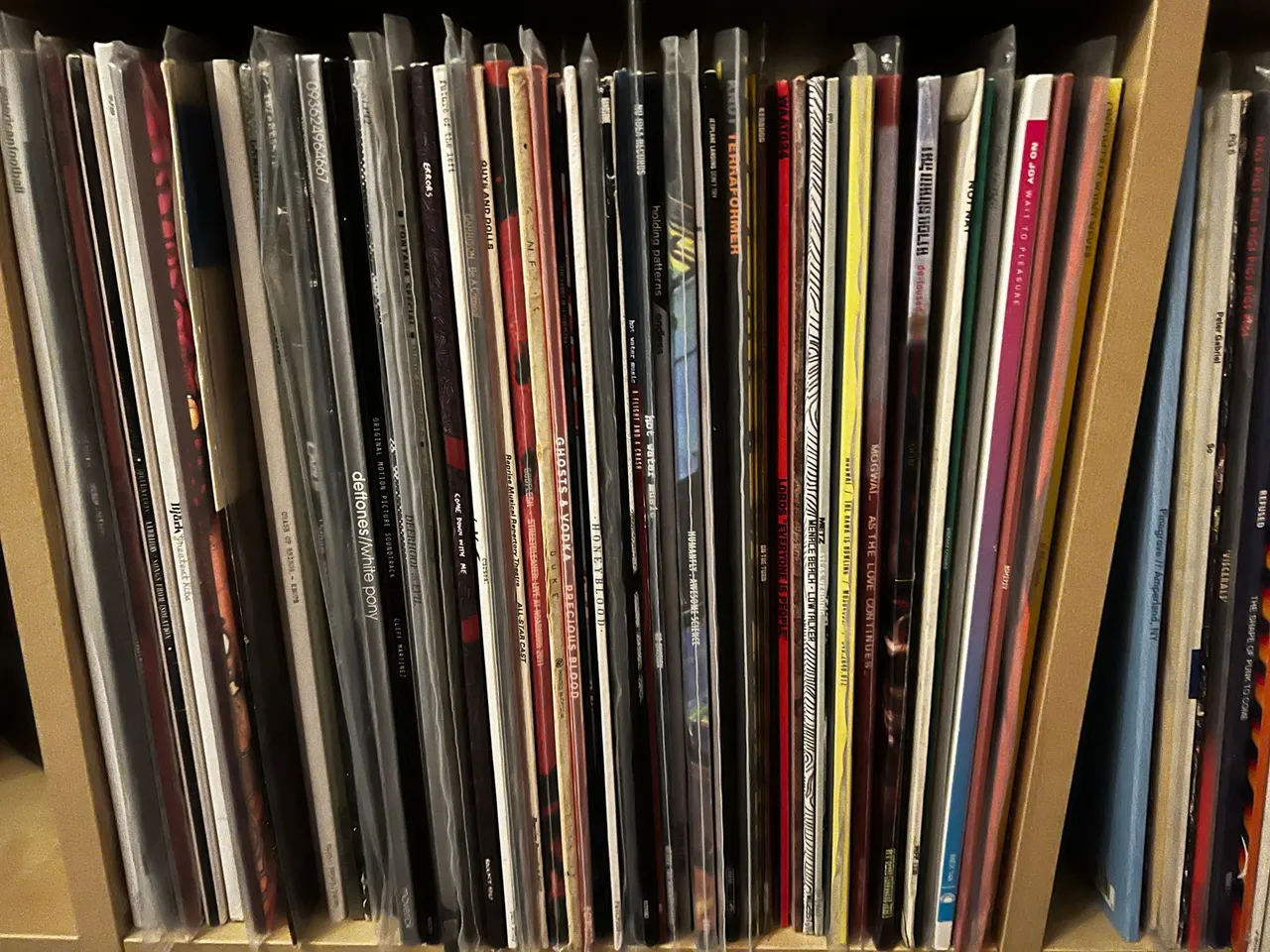
Illustration: a record, as a placeholder for the cover photo.
A label collection has a finish line, which a genre collection usually lacks. The method below applies to any label. The examples use CTI Records, Creed Taylor's jazz label. Its main run is short, its sound is consistent and most of its records are still affordable.
1. Pick a label with a closed catalogue
Choose a label whose main run has a clear start and end date. CTI began in 1967 as an imprint distributed by A&M. It went independent in 1970, and its classic run was over by the end of the decade. That gives you a few hundred titles, not thousands.
Avoid labels that have been running for 60 years or have been revived many times. Those catalogues never close, so the project never ends.
2. Draw the boundaries in writing
Decide which series count before you buy anything. For CTI, a sensible scope covers three series:
- A&M/CTI 3000 series (1967–1969): for example, Wes Montgomery's A Day in the Life (SP 3001).
- CTI 6000 series (1970 onward): the core of the label.
- Kudu: the soul-jazz sister label, home to Grover Washington Jr.
Leave out the 1980s CBS reissues and later CD-era compilations. Write the boundaries at the top of your list. Every "does this count?" question then gets answered once, not at every record fair.
3. Build the master list by catalogue number
Start from the label page on Discogs. Filter by format (Vinyl, LP) and by the series you chose, then copy the titles into a spreadsheet with these columns:
- Catalogue number
- Artist
- Title
- Year
- Status (owned / wanted / skip)
- Price paid
- Grade
Sort by catalogue number, not by artist. Gaps in the run become obvious, and you can hand a printed sheet to a dealer who files stock the same way.
4. Learn what an original looks like on this label
Every label has its own markers for an original pressing. For CTI, check three things:
- Label design. The design changed as the label went through distribution deals, so compare what you're holding against the photos on the Discogs release page.
- Run-out stamp. Most classic CTI titles were cut by Rudy Van Gelder, and "VAN GELDER" is stamped in the run-out area.
- Sleeve. Look for the heavy gatefold sleeve built around a Pete Turner photograph.
Our run-out groove guide covers how to read the matrix numbers themselves. For label-collecting purposes, all you need is a short checklist like this one, kept on your phone.
5. Tier the list
Not every title deserves the same effort. Mark a core tier first: the records that define the label. Fill in the rest opportunistically.
| Catalogue no. | Artist | Album | Year |
|---|---|---|---|
| A&M/CTI SP 3001 | Wes Montgomery | A Day in the Life | 1967 |
| CTI 6001 | Freddie Hubbard | Red Clay | 1970 |
| CTI 6005 | Stanley Turrentine | Sugar | 1971 |
| CTI 6013 | Freddie Hubbard | First Light | 1971 |
| CTI 6021 | Deodato | Prelude | 1973 |
| CTI 6060 | Jim Hall | Concierto | 1975 |
| Kudu KU-20 | Grover Washington Jr. | Mister Magic | 1975 |
6. Set a price ceiling for each tier
Write a maximum price next to every core title, and one blanket ceiling for everything else. Base each figure on the median of recent sales in the Discogs marketplace statistics, not on asking prices.
A label collection fails when one expensive gap starts to feel urgent. The ceiling stops you overpaying for the last missing title in a run.
CTI rewards patience here. Most titles were pressed in large numbers and turn up regularly in used jazz bins. Few core records justify paying above median.
7. Shelve in catalogue order and update after every purchase
File the label as its own block, in catalogue-number order. This shows the run on the shelf: gatefold spines in sequence, with gaps you can see.
Update the spreadsheet the day you buy, including the grade and price paid. After a year, those numbers tell you two things:
- What the collection actually cost
- Which titles you upgraded, and whether the upgrade was worth it
Check the condition of the gatefold spine before the vinyl on CTI records. The heavy laminated sleeves split along the spine and top seam far more often than the discs wear out. A clean disc in a split jacket is the most common CTI copy you'll find, and it should be priced well below a copy with an intact sleeve.

Marcus Croft
Record Hunting & Flea Market Columnist
Marcus spends his weekends traveling to estate sales, flea markets, and independent record stores around the globe. His column focuses on the thrill of the crate-digging hunt, grading vinyl condition accurately, and spot-checking counterfeit releases. Marcus believes every scratched record has a story worth telling.


Comments (0)
No comments yet. Be the first to share your experience.