
Date a Blue Note Pressing in 7 Checks: Label Addresses, Deep Groove, the Ear and the Van Gelder Stamp
Tell a 1958 original from a 1967 Liberty repress in under two minutes, using only the label, the dead wax and the back cover

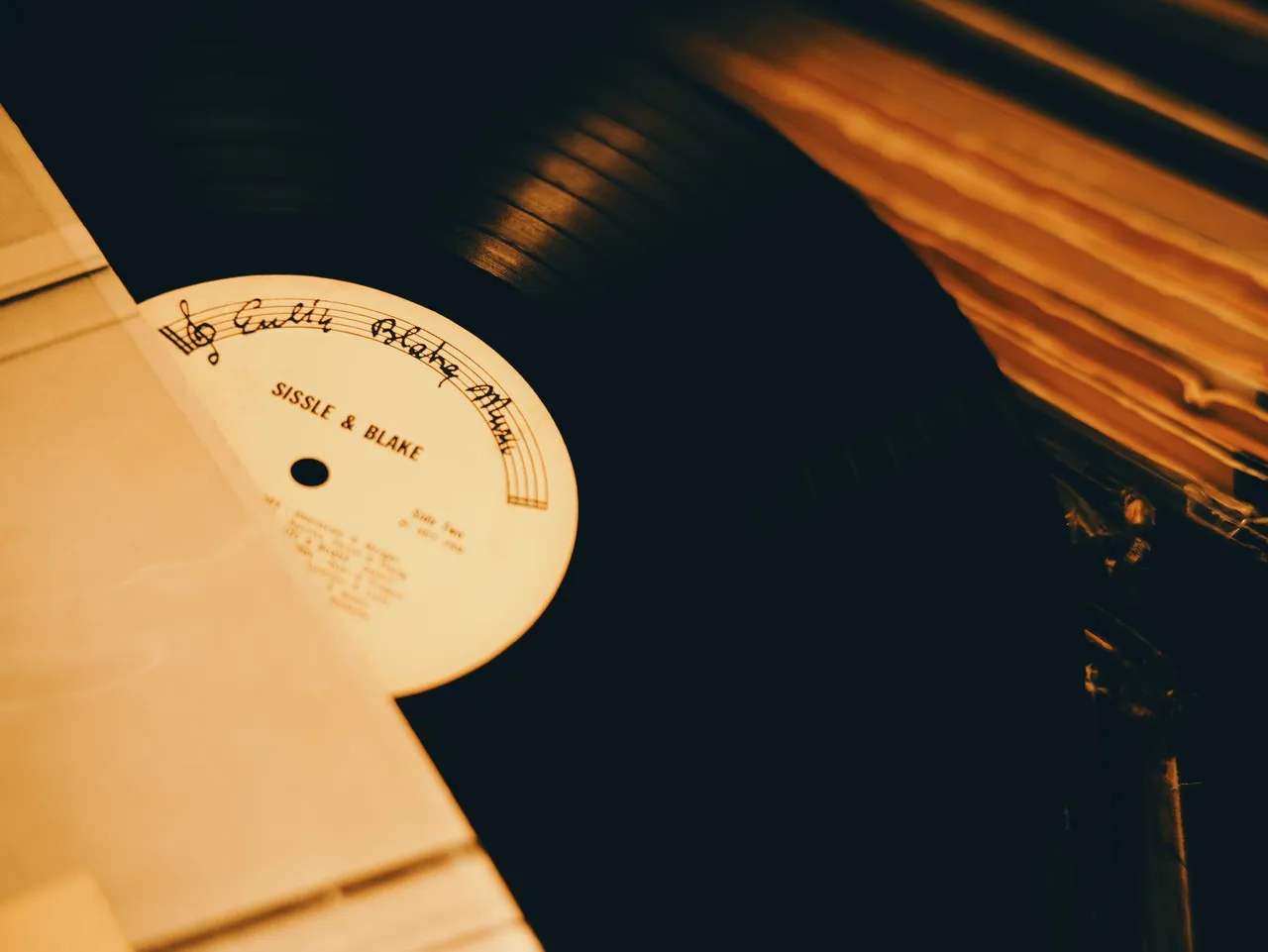
Illustration: a record, as a placeholder for the cover photo.
Two copies of Lee Morgan's The Sidewinder can look identical in a crate and differ in price by a factor of five. The difference is in a handful of small details that Blue Note changed between 1951 and the mid-1970s. Check them in this order and you can place most copies within a few years.
| Era | Label text | Deep groove | Plastylite "ear" | Typical dead wax |
|---|---|---|---|---|
| c.1951–1958 | 767 Lexington Ave | Yes | Yes | RVG hand-etched |
| c.1958–1962 | 47 West 63rd / W. 63rd NYC | Mostly yes | Yes | RVG or VAN GELDER |
| c.1962–1966 | New York USA | Mostly no | Yes | VAN GELDER stamp |
| 1966–c.1970 | A Division of Liberty Records | No | Early copies only | VAN GELDER often present |
| c.1970–1975 | United Artists | No | No | Various |
1. Catalogue number and prefix
Start with the number. The 1500 series (BLP 1501–1600) covers the mid-to-late 1950s; the 4000 series runs from 1958 onward. BLP means mono. BST means stereo, which Blue Note introduced around 1959. A BST copy of a title first issued only in mono is a later stereo issue, not an original.
2. Label address
The address on the label is the fastest dating tool. 767 Lexington Avenue is the earliest; 47 West 63rd Street (printed in full or as "W. 63rd St. NYC") follows from around 1958; "New York USA" takes over from about 1962. Check both sides — mismatched labels exist, because Plastylite used up old label stock. A first pressing carries the address current at release on both sides.
3. Deep groove
Look for a circular indentation pressed into the label, roughly 1cm in from the edge. It comes from the pressing dies Plastylite used until around 1961–62. Titles released during the changeover turn up with and without it, sometimes with one side of each. For a title like Somethin' Else (BLP 1595, 1958), a copy with no deep groove is a later press.
4. The "ear"
In the dead wax, look for a small stamped "P" that resembles an ear. It marks Plastylite, Blue Note's pressing plant through the Lion and Wolff years. An ear with "New York USA" labels and no deep groove is exactly what a first pressing of The Sidewinder (BLP 4157, 1964) should show.
5. RVG or VAN GELDER
Rudy Van Gelder signed his lacquers. Earlier cuts carry a hand-etched "RVG"; from around the late 1950s a machine-stamped "VAN GELDER" became standard. The stamp tells you who mastered the lacquer, not when the record was pressed. Liberty-era copies often still carry it because the original metal parts were reused.
6. Liberty and United Artists text
Liberty bought Blue Note in 1966. Labels from then on read "A Division of Liberty Records Inc." at the bottom. The earliest Liberty copies were still pressed at Plastylite and have the ear. Later ones come from other plants and lack it. United Artists labels from the 1970s are a separate, cheaper category. That includes the blue labels with a black or white "b" logo.
7. Jacket cross-check
The back cover also carries an address. Typical ones are 47 West 63rd St. or the later 43 West 61st St. Jackets were printed in batches, so the cover address can lag or lead the label by a year or more. Treat it as supporting evidence, never the deciding factor. On 1950s and early-1960s originals, the front slick is laminated and folds over the edges onto the back ("frame" or "flipback" construction varies by printer). A thin, non-laminated, glued-edge jacket points to a later issue.
Before paying first-pressing money, open the title's master page on Discogs and filter versions by label text. The notes on established original listings usually state which side should have a deep groove and which address belongs on each label. That is how you catch a copy assembled from one original record and a later jacket.

Marcus Croft
Record Hunting & Flea Market Columnist
Marcus spends his weekends traveling to estate sales, flea markets, and independent record stores around the globe. His column focuses on the thrill of the crate-digging hunt, grading vinyl condition accurately, and spot-checking counterfeit releases. Marcus believes every scratched record has a story worth telling.


Comments (0)
No comments yet. Be the first to share your experience.