
Inspect a Used Record in 8 Checks Before You Pay: Sleeve Seams, Scuffs, Groove Wear and Warps
What to look at, in what order, and how each flaw changes what the record is worth

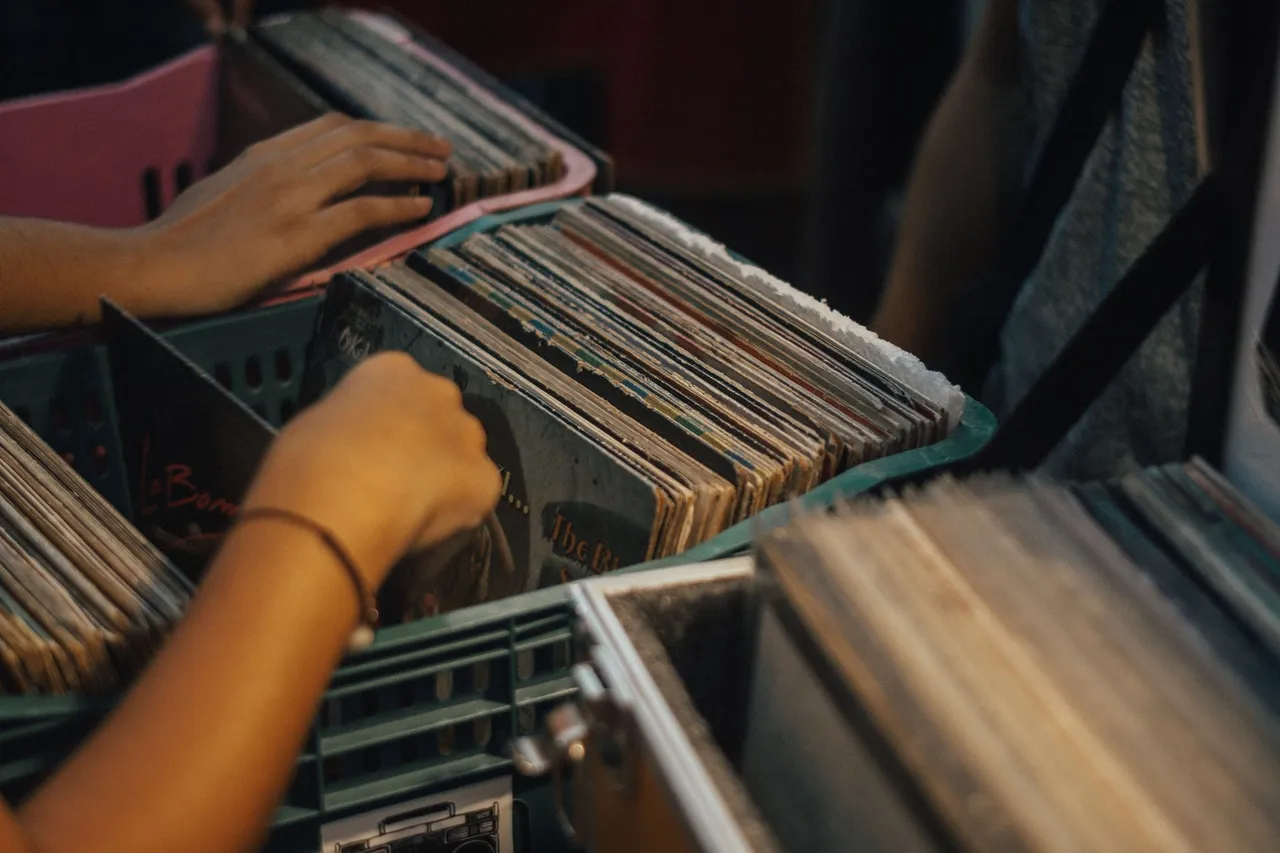
Illustration: a record, as a placeholder for the cover photo.
A record's grade is decided in about ninety seconds of handling. Work through the checks below in order, sleeve first and vinyl second, and you will rarely get home to find a click running through side two.
The Sleeve
-
Check the seams and the edges. Run a thumb along the top, bottom and spine. Seam splits usually happen when a record is shipped inside its sleeve instead of beside it. A split under an inch costs a grade. A full-length split costs two. Look for tape repairs too, which yellow and lift over time.
-
Look for ring wear. A pale circle printed into the cover means the record was stacked under weight without an inner sleeve. Light ring wear on a 1960s laminated "flipback" sleeve is normal. Heavy ring wear on a 1970s matte sleeve usually means the vinyl got the same pressure.
-
Pull the inner sleeve and inspect the label. Original printed inners add value, such as Motown's custom company sleeves or Apple's 1970s inners. Plain paper inners leave fine hairline scuffs. On the label itself, look for:
- Spindle trails: curved lines radiating from the hole, a sign of heavy or careless play.
- Radio station stamps or "Promotion Not For Sale" overprints: often desirable.
- Saw cuts, drill holes or clipped corners on the cover: these mark cut-outs, which are worth less.
The Vinyl
-
Tilt it under one light source. Overhead shop fluorescents hide almost everything. Hold your phone torch at about 45° and rotate the disc slowly.
- Scuffs are surface marks that appear and disappear as you tilt. They are often silent.
- Scratches keep catching the light from every angle and have visible depth. If you can feel a mark with a fingertip, expect it to click.
-
Look for groove greying. Shiny, inky-black grooves are good. A dull, slightly grey sheen, especially on the loudest passages and the last track of each side, means groove wear. It is usually caused by a worn stylus or a heavy ceramic cartridge from the Dansette era. Groove wear sounds like distortion and sibilance, and no amount of cleaning removes it.
-
Sight down the edge for warps. Hold the record at eye level and turn it.
- Dish warps, where the whole disc is bowed, usually play fine.
- Edge warps, a localised ripple at the rim, make the tonearm bob and can cause wow.
- Off-centre pressing: check that the dead wax is the same width all the way round the label. If it isn't, sustained piano or organ notes will waver in pitch.
-
Check for mould, residue and damp. White fuzzy spots or a musty smell from the sleeve mean the record was stored damp. Light mould usually washes off with a proper wet clean. Water-stained, cockled cardboard does not recover. A sticky or streaky surface suggests a bad home clean with furniture polish or similar, which can leave noise that is hard to shift.
Before You Pay
- Play it, or secure a return. Most decent shops have a listening deck. Drop the needle on the passage that looked worst under the torch, not on track one. At fairs, ask whether the dealer will take it back. Then check the asking price against the Discogs "Sold" history for that exact pressing, not the current listings. Use the matrix numbers to confirm you have the right pressing.
| Grade | What you'll see | Typical price vs NM |
|---|---|---|
| M (Mint) | Sealed or never played | Rarely used for used stock |
| NM (Near Mint) | No visible marks, glossy grooves | 100% |
| VG+ | Light scuffs, plays almost silent | ~50% |
| VG | Visible scuffs, light surface noise in quiet passages | ~25% |
| G / G+ | Constant noise, plays through without skipping | 10–15% |
| P (Poor) | Skips, cracks, heavy warps | Filler only |
When a sticker reads something like "VG+/VG", confirm which half refers to the record. Discogs lists media first and sleeve second, but plenty of fair dealers write it the other way round. A VG record in a VG+ sleeve is a very different purchase from a VG+ record in a VG sleeve.

Samantha "Sam" Hayes
Audiophile Equipment & Budget Setup Advisor
Sam bridges the gap between high-end audiophile gear and everyday budget collecting. A tech consultant by day, she tests affordable turntables, preamps, and headphone setups to help beginners get the richest sound possible without breaking the bank.


Comments (0)
No comments yet. Be the first to share your experience.