
Clean a Shellac 78 by Hand in 7 Steps: Material Test, Alcohol-Free Wash, Label Shield and Rack Drying
The vinyl cleaning routine will damage shellac. This is the alcohol-free method that works.

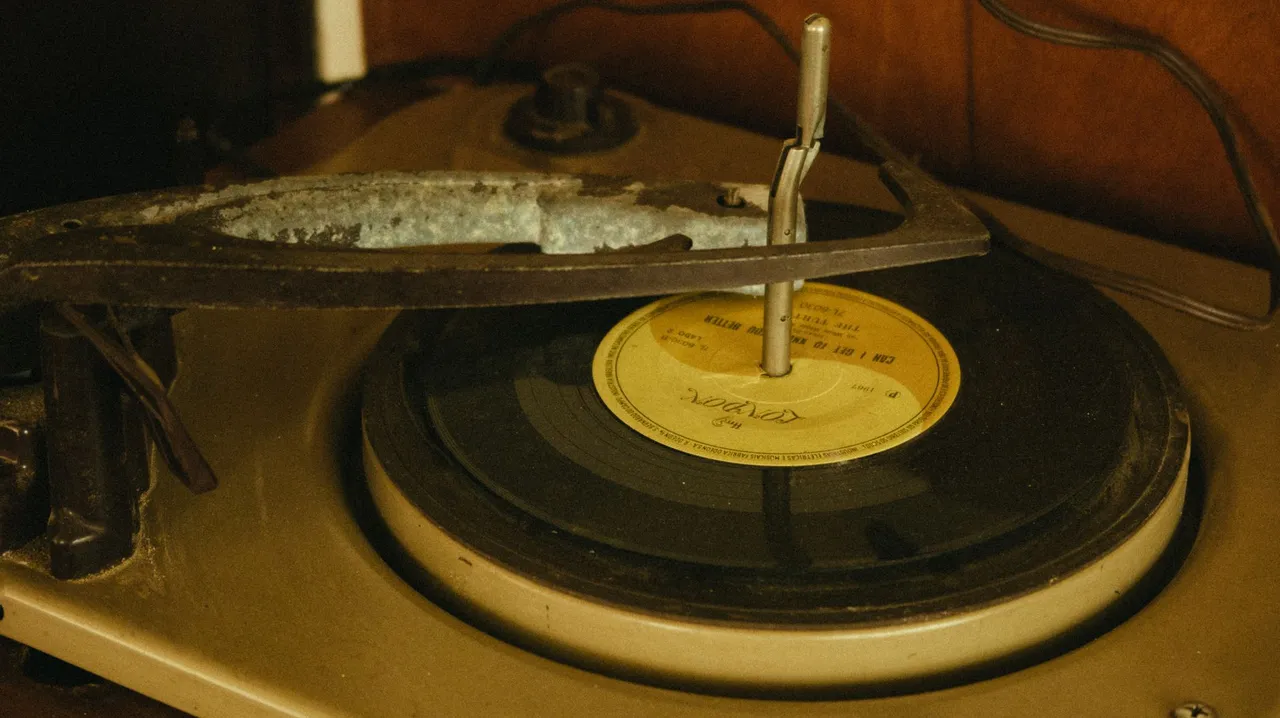
Illustration: a record, as a placeholder for the cover photo.
Shellac dissolves in alcohol. Most record-cleaning fluids made for vinyl contain isopropyl alcohol, and a few passes with one can permanently dull and soften a 78's grooves. Shellac discs are also brittle, they often have paper labels that sit almost flush with the playing surface, and many have hairline cracks you won't see until water gets into them. The method below works for standard shellac 78s from roughly 1910 to the late 1950s.
What You Need
- Distilled water (about 1 litre)
- A non-ionic surfactant such as Tergitol 15-S-9, or a photographic wetting agent like Ilford Ilfotol
- A soft goat-hair or velvet record brush
- A spray bottle
- Two lint-free microfibre cloths
- A rubber label protector, or careful hands
- A dish rack and new 10-inch paper sleeves
The Process
-
Confirm the disc is shellac. Shellac 78s are heavy, rigid and opaque. Vinylite 78s, including many 1940s V-Discs and some late-1940s radio and specialty pressings, are lighter and slightly flexible, and they show a reddish or brownish translucence when held to a strong light. Vinylite can be cleaned like an LP. Edison Diamond Discs, at about 6mm thick, are a different material and need their own treatment, so leave them out of this process.
-
Inspect for cracks and delamination. Hold the disc under a desk lamp at a low angle and rotate it. Look for hairline cracks running in from the edge or out from the spindle hole. Check laminated pressings, such as many 1920s–30s Columbias, for lifting at the rim. A cracked disc should get a dry brush only. Water and brush pressure will widen the crack.
-
Mix the solution. Add 3–4 drops of Tergitol 15-S-9, or Ilfotol at its film-rinse dilution, to 1 litre of distilled water. Do not use alcohol, ammonia, window cleaner or any "vinyl record fluid" unless its label confirms it contains no alcohol. Tap water leaves mineral deposits in the groove.
-
Shield the label. Clamp a rubber label protector over both labels. If it doesn't fit the smaller 78 label, keep all wet work at least 5mm outside the label edge. Shellac-era labels are uncoated paper and absorb water quickly.
-
Dry-brush first. Lay the disc on a folded microfibre cloth. Rotate it slowly under a dry goat-hair brush to lift loose grit before any liquid goes on. Wet grit turns into an abrasive paste.
-
Wash with light pressure. Mist the playing surface with the solution. Brush in the direction of the grooves with the soft brush, letting the bristles do the work, and rotate the disc a full turn or two. Support the disc flat the whole time. Never hold it by the edge and press down, because shellac snaps. Turn it over and repeat on the second side.
-
Rinse, blot and rack-dry. Spray each side with plain distilled water. Blot it with the second microfibre cloth, following the grooves, without rubbing. Stand the disc upright in a dish rack, away from radiators and sunlight, for at least 30 minutes. Then sleeve it in a new paper sleeve. Old brittle sleeves shed fibres back into a clean groove.
Play the clean disc with a 78 stylus, typically 2.5–3.5 mil, never your LP stylus. A 0.7 mil microgroove tip rides too low in a 78 groove. It drags through the debris that washing didn't reach and grinds it into the walls. Most people hear a much bigger drop in surface noise from fitting the correct stylus than from a second wash.

Samantha "Sam" Hayes
Audiophile Equipment & Budget Setup Advisor
Sam bridges the gap between high-end audiophile gear and everyday budget collecting. A tech consultant by day, she tests affordable turntables, preamps, and headphone setups to help beginners get the richest sound possible without breaking the bank.


Comments (0)
No comments yet. Be the first to share your experience.