
Date a UK Island LP in 6 Checks: Pink 'i' Labels, Pink Rim Palm Trees, ILPS Numbers and Run-Outs
Separate a first-press Nick Drake, Traffic or Free LP from a later repress.

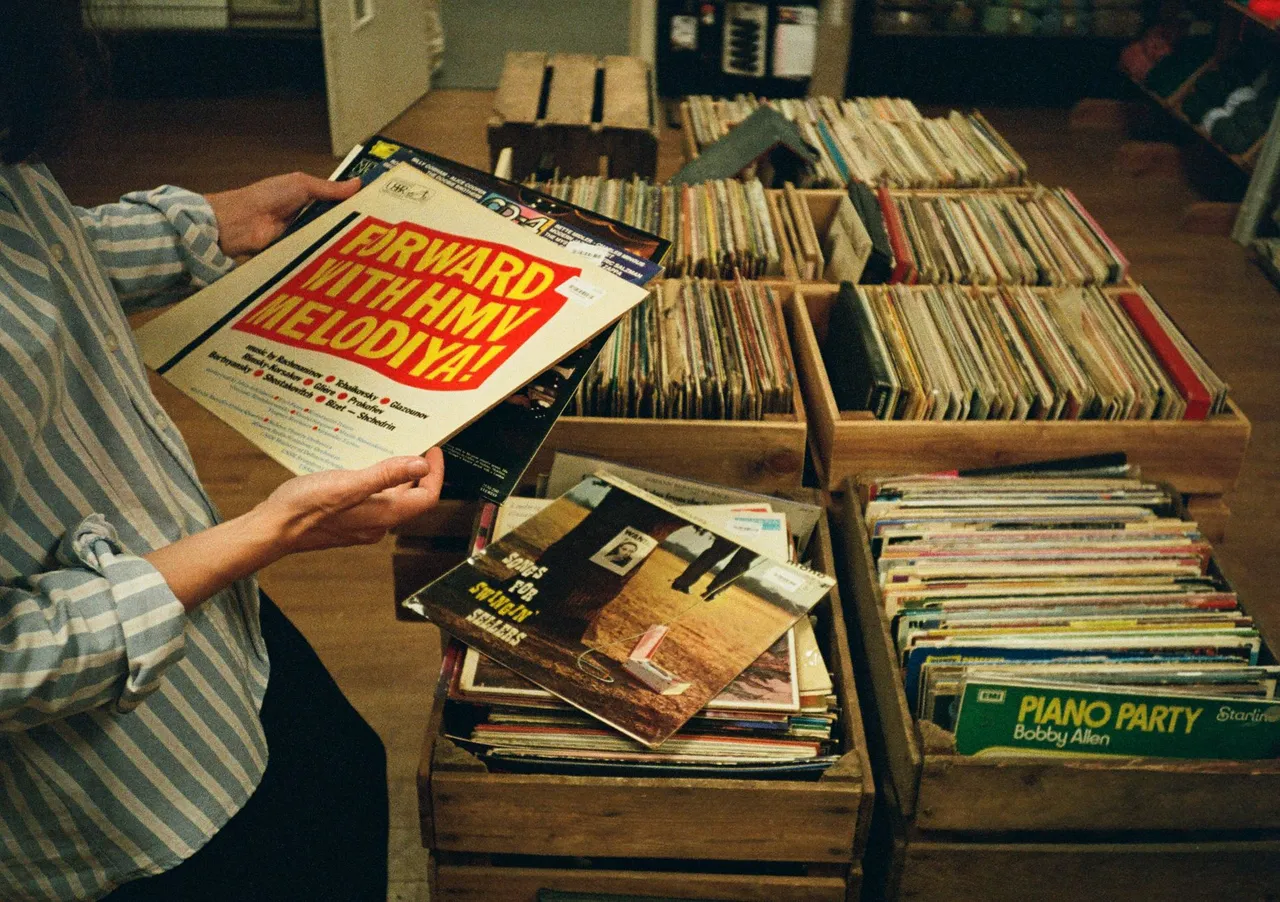
Illustration: a record, as a placeholder for the cover photo.
Island's UK rock catalogue from 1967 to 1975 covers Traffic, Free, Fairport Convention, Nick Drake, Jethro Tull, King Crimson, Spooky Tooth, Cat Stevens and Roxy Music. Many of those titles stayed in print for years with only small changes to the label. The same album can therefore be a £400 first press or a £30 repress, and the difference is often a colour on the label rim. These checks apply to UK pressings. In the US, early Island acts came out on other labels. Traffic was on United Artists, King Crimson on Atlantic and Cat Stevens on A&M.
1. Read the Catalogue Prefix
The rock series started in late 1967 with numbers in the 900s and 9000s. Traffic's Mr. Fantasy was issued as ILP 961 in mono and ILPS 9061 in stereo. The extra "S" marks stereo. Mono copies stopped by about 1968, so a mono Island rock LP is always early and is usually the scarcer version.
The ILPS 9000 numbers run roughly in release order:
- ILPS 9089: Free, Tons of Sobs (1969)
- ILPS 9105: Nick Drake, Five Leaves Left (1969)
- ILPS 9111: King Crimson, In the Court of the Crimson King (1969)
- ILPS 9134: Nick Drake, Bryter Layter (1970)
Use the number to estimate which label design the first pressing should have.
2. Identify the Label Design
| Label | Approx. years | What it tells you |
|---|---|---|
| Pink label, black/orange circle "i" logo | 1967–1969 | Earliest rock pressings, including mono |
| Pink label, white "i" logo | 1969–1970 | Later pink-era pressings and some second presses |
| Pink rim, palm tree | late 1970–1975 | Repress of any title numbered below about ILPS 9130 |
| Palm tree, no pink rim | 1975 onward | Mid-70s and later repress |
The pink labels are the ones collectors pay for. The changeover to the pink rim palm tree happened at the end of 1970, around the ILPS 9130s.
Titles released near that changeover can be found on either label. For those records, don't decide from the label alone. Confirm the first-press label on the specific Discogs release page.
3. Treat Later Labels on Early Titles as Represses
Older titles kept selling after the label design changed. Each new pressing used whatever label was current at the time.
- Five Leaves Left on a pink rim palm tree label was pressed in 1971 or later, two years or more after release.
- Fairport Convention's Liege & Lief (ILPS 9115) on a pink rim label is a repress for the same reason.
- An original Tons of Sobs will never have a palm tree.
These represses often sound good and cost a fraction of the price. Some sellers describe a pink rim copy as "pink label original." The palm tree on it tells you otherwise.
4. Check the Sleeve Construction
Pink-era Island sleeves are typically laminated, with fold-over flaps on the back ("flipback" sleeves). They also carry a printer credit along the lower edge. Through the 1970s, Island sleeves moved to unlaminated card without flaps.
A pink-label disc inside a later flat, unlaminated sleeve is a marriage of two different copies. That's worth knowing, and it should lower the price. Gatefold sleeves such as Stand Up by Jethro Tull (ILPS 9103), with its pop-up band inside, should be checked for the same features.
5. Read the Run-Out Matrix
The run-out area gives the catalogue number and side, followed by a cut number. The lowest cut numbers, usually ending in 1 on each side, point to the first lacquers.
Some albums were recut during the pink era, so a pink label alone doesn't confirm a first pressing. Compare what is written in your run-out with the matrix entries listed on Discogs for the first-press release. Collectors of King Crimson's debut, for example, pay attention to these details closely.
Look at the bottom rim of a pink rim palm tree label. The publishing and rights text there changed several times between 1970 and 1975. Matching that wording to Discogs photos is often the quickest way to put a repress in the early or late part of the pink rim period.
6. Confirm With the Discogs Release Page
Search the catalogue number on Discogs. Then match your copy to a specific release using four things:
- Label design
- Rim text
- Sleeve printer
- Run-out inscriptions
If your copy doesn't match any listed first pressing on all four points, treat it as the later pressing it most closely resembles.

Arthur Pendelton
Lead Vintage Audio & Hi-Fi Reviewer
Arthur has spent over three decades hunting down rare original pressings and restoring classic turntable setups. A former sound engineer from London, he specializes in deep dives into jazz pressings, analog equipment maintenance, and the art of speaker placement. When he isn't writing, Arthur can usually be found at local record fairs digging through bargain bins.


Comments (0)
No comments yet. Be the first to share your experience.