
Wet-Clean a Record by Hand in 7 Steps: Solution, Brushes, Rinse and Drying
A full manual clean for under £40 in kit, without a machine and without tap water or washing-up liquid

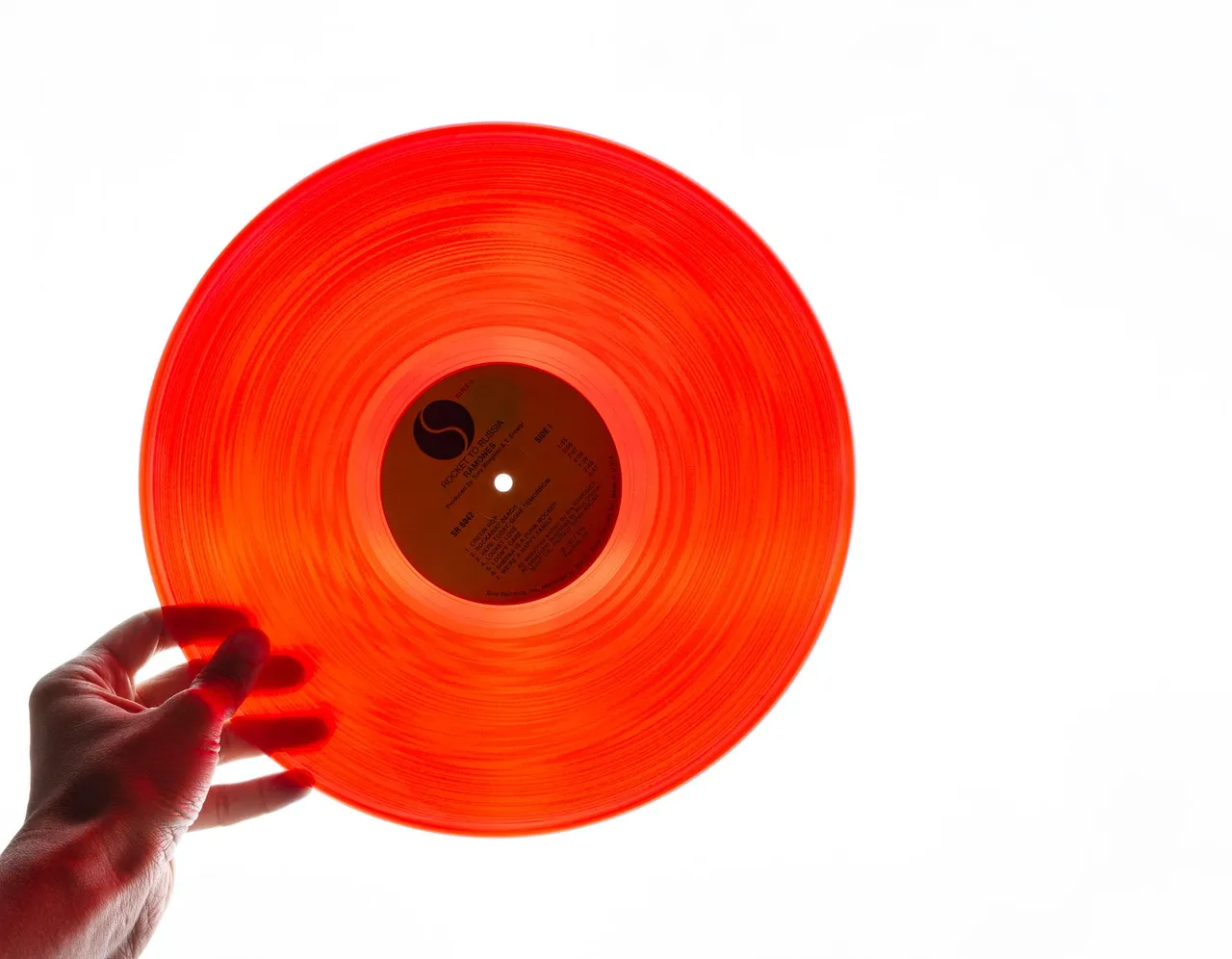
Illustration: a record, as a placeholder for the cover photo.
A dusty charity-shop copy of Rumours or a stack of 1970s Motown pressings will often play noticeably quieter after one proper wet clean. A dry brush moves surface dust, but it can't lift the grime, mould spores and old fingerprint oils that sit in the groove walls. You don't need a £400 ultrasonic machine to deal with those. These seven steps use cheap, specific kit and take about five minutes per record.
The Kit
- Carbon-fibre brush, such as the AudioQuest or Hudson Hi-Fi models (£10–20)
- Distilled or deionised water, 5 litres. Supermarkets sell it for steam irons, and car shops sell it for batteries (around £5)
- Wetting agent: Ilford Ilfotol (photographic) or Tergikleen
- Goat-hair or velvet record brush for scrubbing
- Three clean microfibre cloths, washed without fabric softener
- Label protector: a screw-together disc pair with rubber O-rings (£10–15)
- New poly-lined inner sleeves, such as Nagaoka No.102 or MoFi Original Master Sleeves
The Method
-
Dry brush first. Spin the record on your turntable and hold the carbon-fibre brush lightly on the surface for two rotations. Then angle it off the edge so the dust leaves the record. This removes loose grit before it turns into abrasive sludge once wet. Stop here if the record plays cleanly afterwards. Not every record needs a wet clean.
-
Mix the solution. Add 2–3 drops of Ilfotol to 1 litre of distilled water. The wetting agent breaks surface tension so the water gets right into the groove. Some people add isopropyl alcohol at up to 15% to cut grease. Never use alcohol on shellac 78s or lacquer acetates, because it attacks both. Don't use tap water, which leaves mineral deposits as it dries. Don't use washing-up liquid either: most brands contain lanolin, fragrance or dyes that stay in the groove.
-
Seal the label. Clamp the label protector over both sides so the O-rings sit just outside the label edge. Wet paper labels bubble, stain and peel, and that damage is permanent. It also knocks a collectable copy down a grade.
-
Apply and scrub off the turntable. Do not wet-clean on your actual platter, because fluid can seep into the bearing. Lay the record on a folded microfibre cloth on a flat surface, or use a cheap kitchen lazy Susan. Spread a little solution across the playing surface. Brush in the direction of the grooves for three or four full circuits, using only the brush's own weight. Leave it to sit for a minute so the solution can loosen deposits.
-
Rinse with plain distilled water. This step gets skipped most often. Any wetting agent left in the groove attracts dust and can leave a faint film the stylus picks up. Pour a small amount of pure distilled water across the surface and brush it round once more. Repeat on the other side.
-
Dry along the groove. Wipe with a fresh microfibre cloth, following the groove direction, never across it. A wet/dry vacuum fitted with a narrow nozzle wrapped in velvet tape works better if you have one, since it pulls fluid out of the groove instead of pushing it around. Stand the record upright in a dish rack for ten minutes before sleeving it.
-
Re-sleeve in clean poly. The original paper inner sleeve is probably the source of half the dirt you just removed. Old paper sheds fibres, and card sleeves scratch. Put the clean record into a poly-lined inner sleeve. Keep the original inner inside the outer jacket if it has printed artwork or lyrics, as with Sgt. Pepper's or many 1970s Island pressings, so the copy stays complete.
The first play after a wet clean can sound slightly noisier than expected. The stylus is dislodging debris the brush loosened but didn't fully lift. Play the record once, clean your stylus with a stylus brush, then dry-brush the record and play it again. Judge the result on the second play, not the first.
What Cleaning Can't Fix
Wet cleaning removes dirt. It doesn't repair damage. A scratch you can feel with a fingernail will still click. Groove wear from a worn stylus shows up as grey, dulled sections, often near the inner tracks, and it causes distortion that no cleaning will touch. So if a record still sounds rough on the second play, the problem is in the vinyl itself.
Clean one record you don't care about before you start on anything valuable. A £1 copy of a Mantovani or James Last LP is ideal practice.

Samantha "Sam" Hayes
Audiophile Equipment & Budget Setup Advisor
Sam bridges the gap between high-end audiophile gear and everyday budget collecting. A tech consultant by day, she tests affordable turntables, preamps, and headphone setups to help beginners get the richest sound possible without breaking the bank.


Comments (0)
No comments yet. Be the first to share your experience.