
Flatten a Warped Record in 7 Steps: Diagnosis, Glass Plates, Oven Heat and Slow Cooling
Two panes of float glass, 60°C and an overnight cool-down are enough to fix most warped LPs

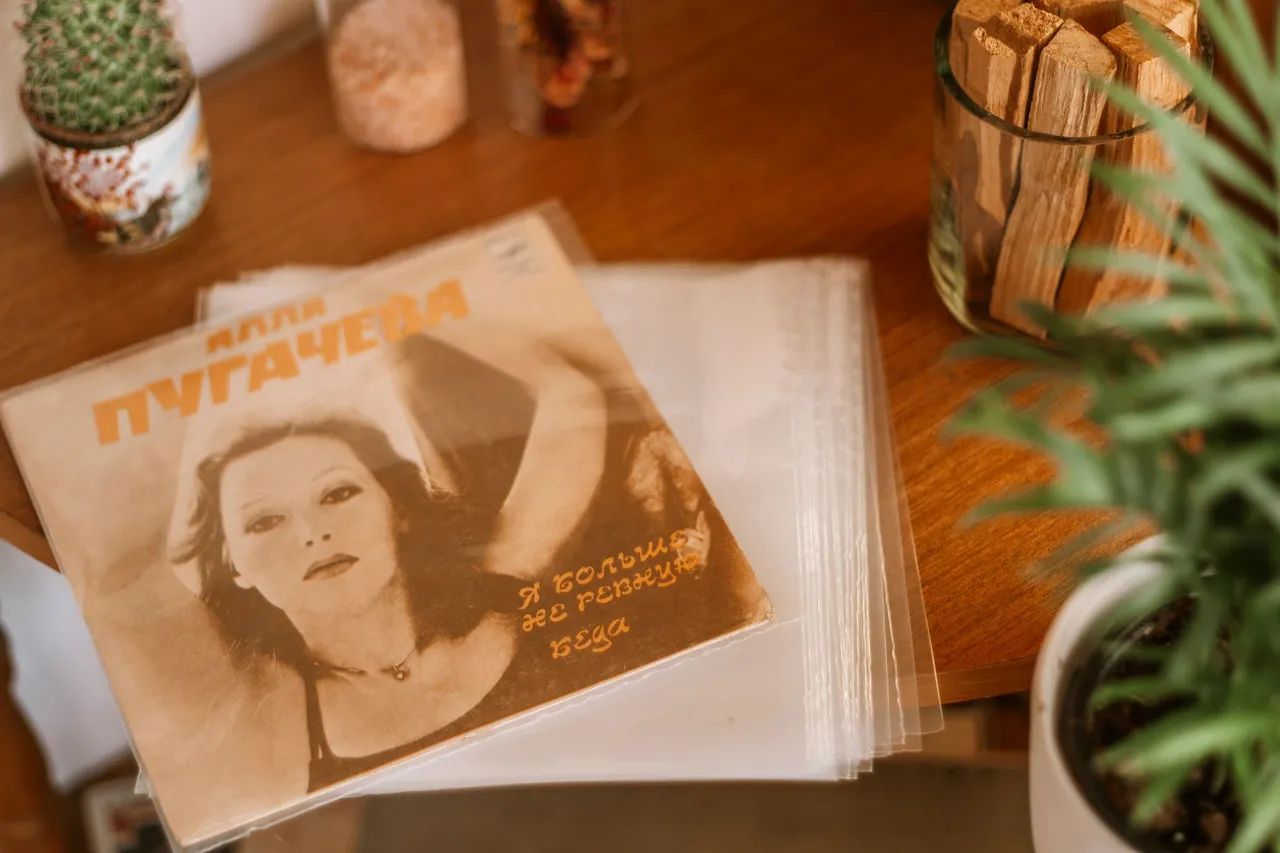
Illustration: a record, as a placeholder for the cover photo.
A warp you can see from across the room usually tracks badly, wears the stylus unevenly and makes the tonearm ride up and down. PVC softens well below its melting point. That means a gentle, even heat under flat pressure can relax most warps without damaging the grooves. The method below uses two glass panes and a domestic oven. Dedicated flatteners such as the Orb DF-01iA or Furutech DF-2 do the same job with tighter temperature control.
What You Need
- Two panes of float glass, at least 33 × 33 cm (13 × 13 in) and 4–6 mm thick, with sanded edges. A glazier will cut and arris the panes cheaply.
- A standalone oven thermometer. Do not rely on the oven dial.
- A flat metal baking tray.
- Microfibre cloth and isopropyl alcohol for the glass.
- Something heavy and flat, such as a stack of hardback books.
The Process
-
Diagnose the warp. Lay the record on a flat surface and look along it at eye level. A gentle dish warp or a single soft edge rise usually responds well. A sharp kink, a "pinch" warp near the label, or a warp caused by the record being folded or crushed rarely flattens fully. Do not try this on shellac 78s. Shellac behaves differently under heat and can crack or blister.
-
Clean the record first. Any dust left on the surface will be pressed into the softened vinyl and become permanent. Wet-clean the record, let it dry completely, then give it a pass with a carbon fibre brush just before it goes between the panes.
-
Prepare the glass. Clean both panes with isopropyl alcohol and a microfibre cloth, then check them against the light for specks. Lay one pane on the baking tray.
-
Calibrate the oven. Put the thermometer on the middle shelf and set the oven to a conventional or static setting, not fan. Fan ovens create hot spots. Adjust the oven until the thermometer holds steady at 60°C (140°F), and give it 15 minutes to settle. Above about 70°C you risk softening the groove walls.
-
Sandwich and heat. Place the record centrally on the lower pane, lay the second pane on top, and slide the tray onto the middle shelf. Heat for 15 minutes. Check by gently pressing the top pane at the edge. If the record still rocks underneath, give it another 5–10 minutes. Do not go past 30 minutes in total.
-
Cool slowly under weight. Remove the tray and place it on a heatproof, flat surface. Leave the glass sandwich intact and add your books on top. Let it cool for at least four hours, and preferably overnight. Separating the panes while the vinyl is still warm lets the warp spring back.
-
Play-test and repeat if needed. Watch the tonearm from the side during playback. Some vertical movement on a stubborn warp is normal after one pass. A second cycle at the same temperature often removes most of what remains. If two cycles make no real difference, the warp is likely structural and further heat will only add risk.
Many warps on unplayed records come from shrink-wrap, which keeps contracting in warm rooms and bends the jacket and the disc inside it. Slit the shrink along the opening edge, or remove it entirely, as soon as a sealed record comes home. Then file it upright, with nothing leaning against it at an angle.

Chloe Sterling
Modern Collector & Vinyl Care Specialist
Chloe is a music archivist dedicated to helping new collectors protect and preserve their vinyl records. With a background in chemistry and library science, she writes accessible guides on record cleaning, storage solutions, and inner sleeve materials. Her goal is to ensure every collection survives for generations to come.


Comments (0)
No comments yet. Be the first to share your experience.