
Replace a Worn Turntable Stylus in 7 Steps: Wear Signs, Hour Counts, Model Matching and Fitting
From the first sibilant hiss to the click of a new stylus seating in the cartridge body

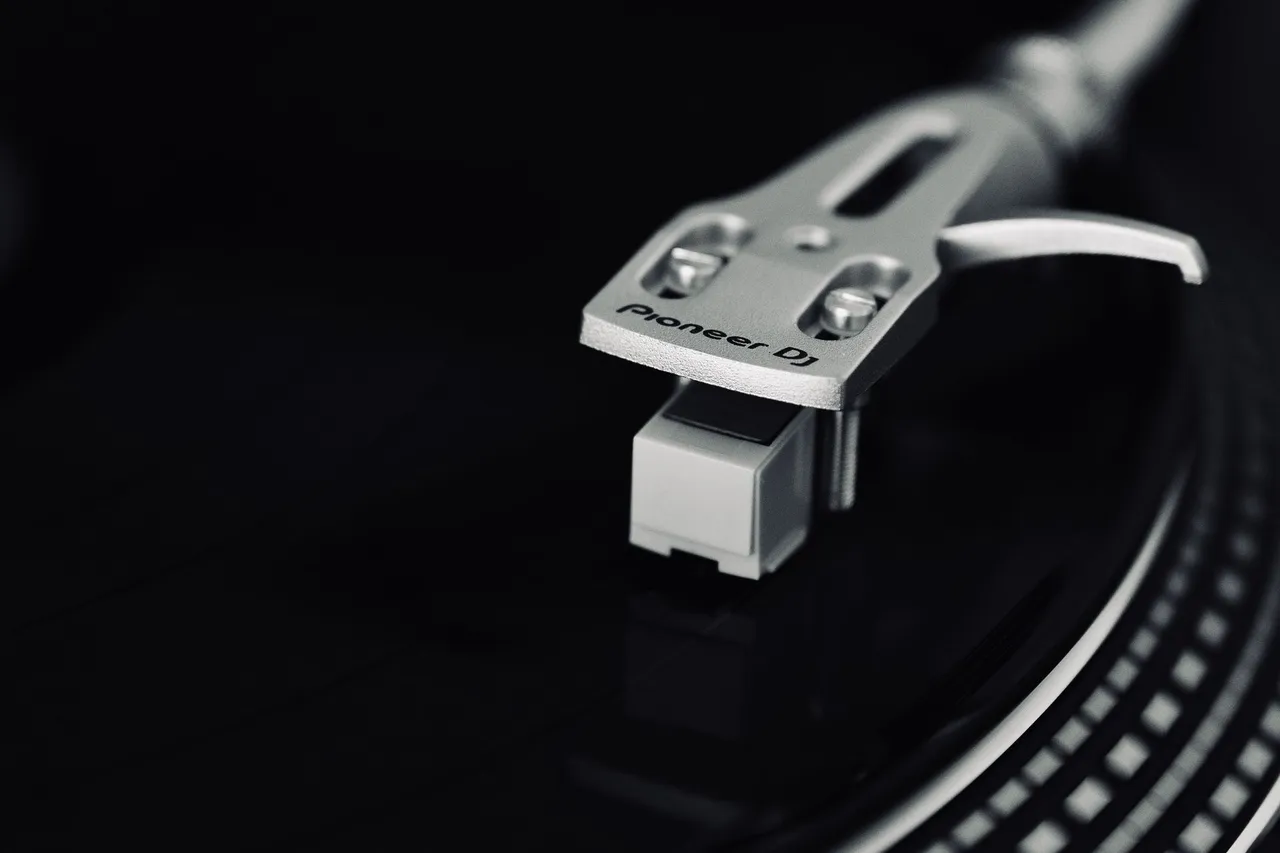
Illustration: a record, as a placeholder for the cover photo.
A worn stylus damages records. Once the diamond tip wears flat, it rides the groove walls with sharp edges and shaves away high-frequency detail that will not come back. Replacing the stylus on a moving magnet cartridge costs less than a couple of new LPs and takes about five minutes.
The Process
-
Listen for the warning signs. The first symptom is usually sibilance. Vocal "s" and "t" sounds turn spitty and smeared, especially near the end of a side, where groove speed is lowest. Other signs include cymbals that sound like static, distortion on loud passages that used to play clean, and a record that sounds worse than it did a year ago on the same system. Clean the stylus before you decide it is worn. Built-up dust and grime cause the same symptoms.
-
Estimate the hours. Typical figures are around 500 hours for a conical (spherical) tip, 300–500 for elliptical, and 800–1,000 or more for fine-line profiles such as Shibata and MicroLine. One LP side runs about 20 minutes, so 500 hours is roughly 1,500 sides. Someone playing two hours a night will reach that in well under a year.
-
Inspect it under magnification. A 60x–100x USB microscope or jeweller's loupe will show how the tip has worn. A healthy elliptical tip looks rounded from the front. A worn one shows flat, shiny facets on both sides where it has been contacting the groove walls. A bent cantilever or a missing tip means you need to replace the stylus immediately.
-
Identify the exact replacement. The model name is printed on the cartridge body or the stylus guard. Many bodies take several styli. An Ortofon 2M Red body accepts the 2M Blue stylus. An Audio-Technica AT-VM95 body takes any VM95 stylus, from the conical ATN-VM95C to the Shibata ATN-VM95SH. That makes a replacement a good moment for a cheap upgrade. For discontinued cartridges such as the Shure M97xE, look at aftermarket makers like Jico, which make well-regarded replacements. Moving coil cartridges, including the Denon DL-103, are not user-replaceable. They need retipping or the manufacturer's exchange programme.
-
Remove the old stylus. Switch off the turntable, lock the tonearm in its rest and fit the stylus guard if the cartridge has one. Hold the cartridge body steady with one hand. Grip the stylus assembly by its front edge and pull it forward and slightly down, away from the body. Never pull on the cantilever. If the headshell is detachable, take it off first and work on a soft cloth.
-
Fit the new stylus. Line the new assembly up with the body, keeping the cantilever pointing down. Push it straight back until it seats fully, usually with a small click. Check from the side that the assembly sits flush, with no gap between it and the body.
-
Reset tracking force. A replacement or upgraded stylus may have a different recommended force. The 2M series is specified at 1.8 g and the VM95 range at 2.0 g. Set the force with a digital stylus gauge rather than the counterweight dial alone, and then match the anti-skate setting to it. Expect the sound to settle over the first 10–20 hours of play.
Write the installation date and stylus model on a strip of masking tape inside the dust cover. Each time you finish a side, add a tally mark, or keep a running count in a notes app. At three sides per hour you will know exactly when you are approaching the end of the stylus's life, instead of finding out from a ruined copy of a record you care about.

Arthur Pendelton
Lead Vintage Audio & Hi-Fi Reviewer
Arthur has spent over three decades hunting down rare original pressings and restoring classic turntable setups. A former sound engineer from London, he specializes in deep dives into jazz pressings, analog equipment maintenance, and the art of speaker placement. When he isn't writing, Arthur can usually be found at local record fairs digging through bargain bins.


Comments (0)
No comments yet. Be the first to share your experience.